Photo by Pink Blush Photography
Onyx refers to herself as The Stripper Queen of Canada. She is an exotic dancer who has been working across Canada for over 15 years. Among a long list of titles, Onyx is a two-time winner of Miss Nude Canada and also holds the title of Miss Burlesque North America. Yet despite being one of the best in the industry, Onyx has to fight for what most of us see as basic human rights.
Read MoreThis is what we know: research has a questionable past and present. Ethics weren’t always a thing apparently, and they’re very mutable. What’s ethical for a scientist trying to cure a deadly disease may be cruel to a vegan wanting to see no creature harmed; what was seen as an ethical approach to interviewing fifty years ago may be seen as exploitative today.
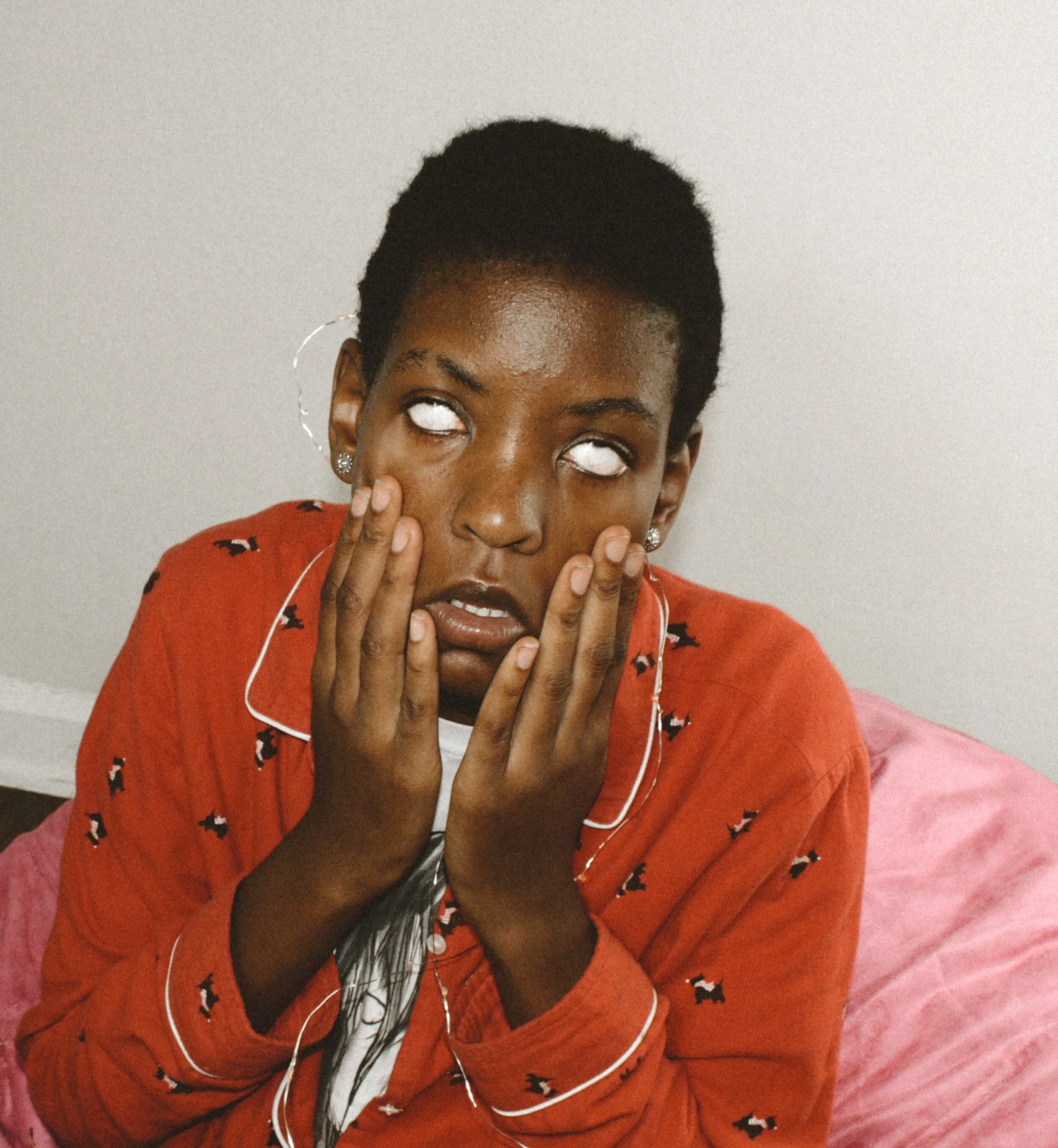
Read MoreAmong the million other things that make me stick out like a sore thumb in Nevis besides being the palest pickney to ever come from a Black woman, as well as having bizarre hair and social difficulties, a metal band shirt also does the trick.
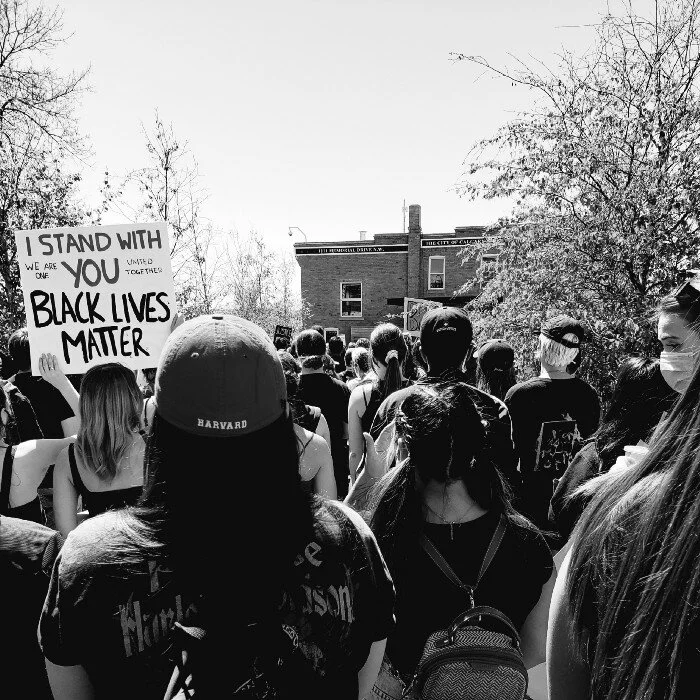
Read MoreWe need data to be able to closely examine the socio-economic conditions that leave racialized communities more vulnerable. We need it to better understand what systemic racism looks like in our province, and to inform anti-oppressive policy. But we also need it to arm advocates and storytellers, because without data, people just aren’t believed.
Read MoreIs there really such a thing as altruism? Even if you’re not expecting anything tangible in return, what about the non-tangibles? The recognition, social status (as an activist), being able to look at yourself in the mirror and like who you see (personal integrity), public perception?
Read MoreAnyway, say what you want about the systems and industry behind her brand, the best pop music comes from Britney Spears. The dance moves. The sex appeal. And yes, I’ll still credit her for her beauty because I’m not a hater. I’ll be honest about my observations, but I will never be too woke to admit that I love Britney Spears.
Read MoreGrowing up as a Black second gen Canadian, the only example I had of Black people who weren’t recent immigrants were Black Americans. So there I sat with two different ways to be Black. I could participate in the “Black Culture” (a.k.a. the portrayal of African American identity) that I saw on TV, the hallmarks of which were AAVE, hip hop, hilarity, and tragedy. Or I could be an immigrant. I tried to be both, and it didn’t work, because I wasn’t either.
Read More