On June 6, National Music Centre’s Studio Bell will become a living conversation between sound, movement, storytelling, and artistic evolution as the institution presents a special edition of its Voices of Canada series curated by MuchMusic legend Master T.
But beyond the performances and programming, what makes this gathering feel significant is the calibre of artistry occupying the space. These are creatives building worlds, translating emotion into experience, and reshaping Calgary’s cultural language in real time.
From orchestral Afrobeat jazz and spoken word to dance, DJ culture, live performance, and multidisciplinary storytelling, the lineup reflects a generation of artists pushing beyond traditional creative boundaries while occupying space within one of Canada’s most important cultural institutions.
Existing within that creative landscape is King Udofia, a composer, arranger, and musical director whose work exists at the intersection of scale, atmosphere, and sonic storytelling. Formally trained in jazz composition and orchestration, Udofia has quietly become one of Calgary’s most versatile musical architects, helping artists, brands, and organizations translate ideas, emotion, and narrative into music.
Whether through live performance, orchestration, film, or curated experiences, King creates music that understands how to serve the moment.
His collaborations span artists and institutions including Disney, Johnny Summers, Titilope Sonuga, Calgary Stampede, and Femi Leye. Work, that reflects not only his versatility, but his ability to adapt across genres and creative spaces while maintaining a distinct artistic voice.
That voice reaches its fullest expression through Gbèdu, Udofia’s expansive orchestral Afrobeat jazz project merging African rhythmic traditions with Western jazz harmonies and cinematic orchestral textures. Earlier this year, Gbèdu transformed Contemporary Calgary into something far bigger than a concert. It became an immersive collision of musical languages, disciplines, and traditions bringing together Calgary-based musicians across genres, backgrounds, and skill sets in a way that felt ambitious, refined, and deeply collaborative.
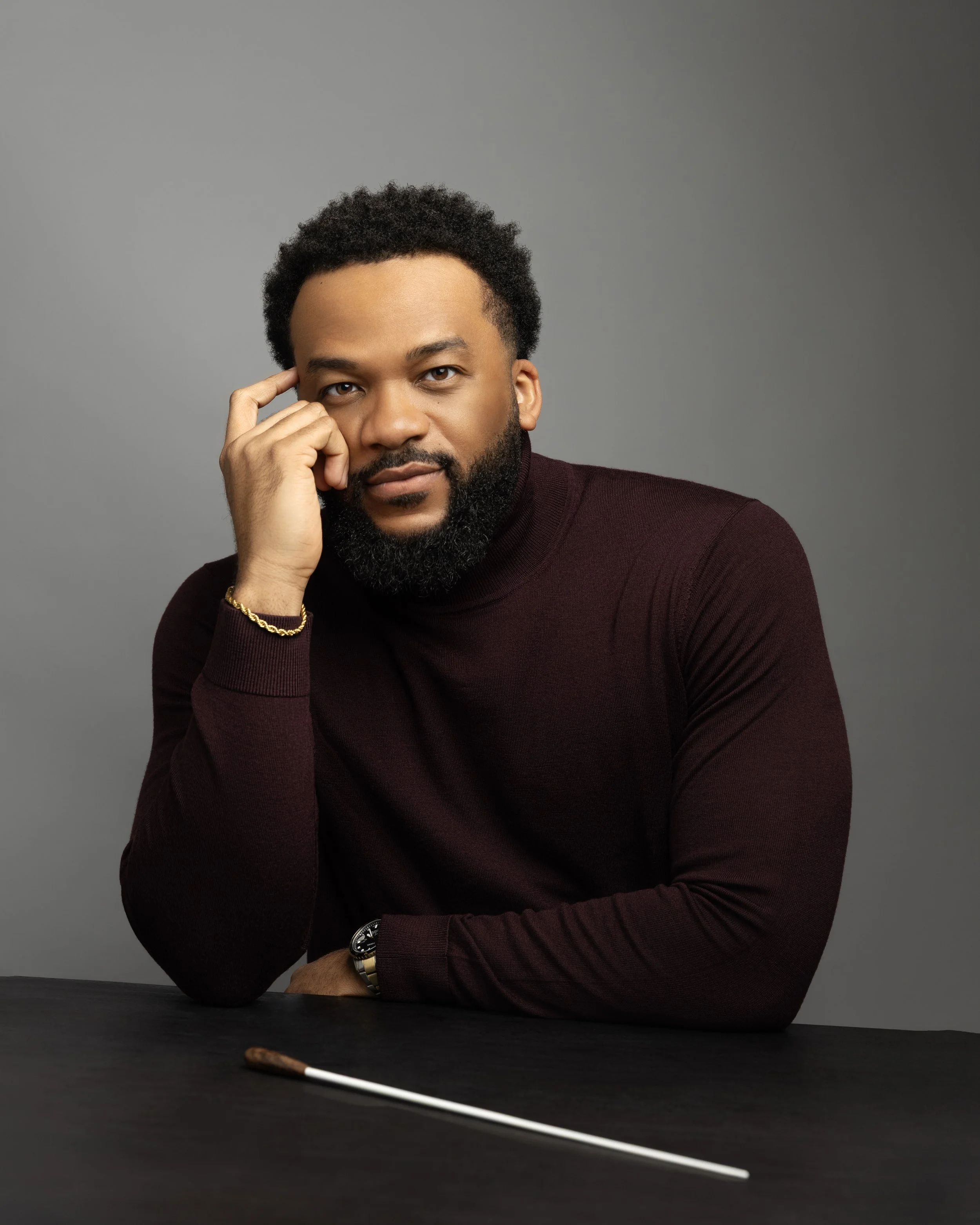
King Udofia
For Udofia, the beauty of the work lies in interpretation and translation. “I can speak both languages,” he explains while describing the experience of working between musicians trained through classical notation and artists who create entirely by ear.
That understanding has become central to the Gbèdu experience itself, creating space where different musical traditions, cultural influences, artistic approaches, and technical skill sets can exist together without losing their individuality. Rather than forcing one sound to dominate another, Udofia’s work allows those worlds to speak to one another in real time.
But bringing those worlds into alignment requires more than technical ability. It requires patience, leadership, and the fortitude to guide rooms filled with different interpretations of rhythm, structure, timing, and expression toward a shared musical vision.
There is clarity in the way King approaches orchestration. He understands that music is not simply about arrangement, but about cohesion. His focus is about creating enough trust and understanding within a room for people from entirely different musical languages and lived experiences to move together in unison.
That ability to hold complexity while still creating harmony is part of what makes his work feel so expansive.

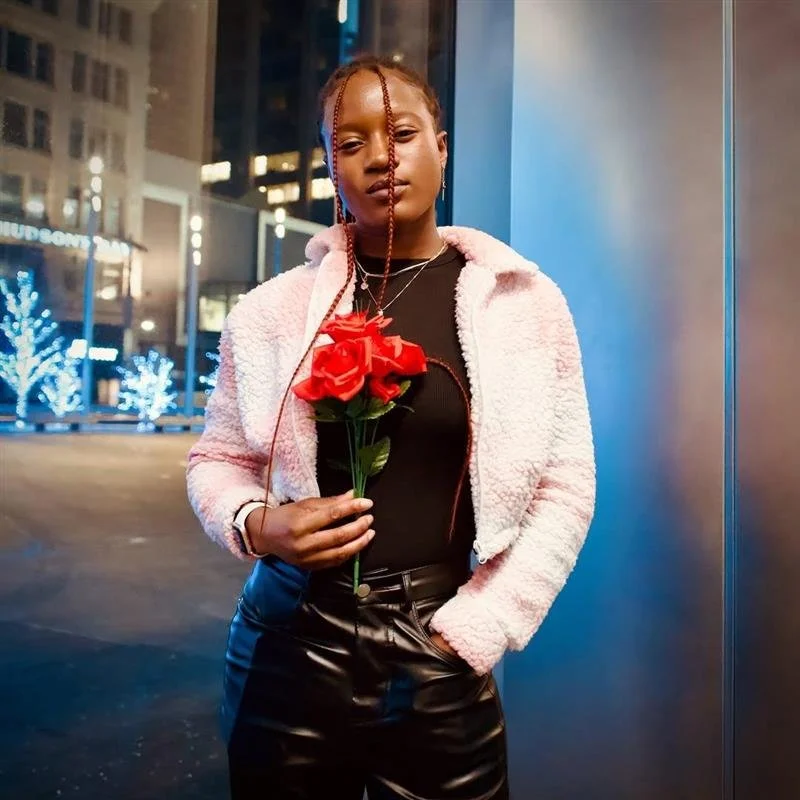
DJ Badgyal, also known as Kamika Bianca Guerra-Walker
That same clarity and cultural intention can also be felt through DJ Badgyal, also known as Kamika Bianca Guerra-Walker, a DJ, creative director, advocate, and community builder whose relationship with music feels deeply rooted in rhythm, movement, and collective experience.
Raised within Jamaican culture, Kamika understands music as infrastructure, something foundational to dancehall, reggae, celebration, release, and community itself. Before DJing, she was already immersed in movement through dance, studying with the School of Alberta Ballet while developing a deep understanding of how sound shapes atmosphere and energy.
Her entry into DJ culture came through curiosity, experimentation, and instinct. After receiving a controller from a friend whose father DJed in the 1980s, she taught herself through repetition, digital platforms, and exploration before eventually being pushed toward live performance by promoters and collaborators who recognized her ability to command space through sound.
Most notably, Kamika credits Priya Pradhan as one of the industry professionals to really push her toward stepping into DJing publicly and performing in front of crowds. In her words, Priya was one of the first people to say: “Yo, you need to DJ in front of people.” That encouragement became a turning point in her journey.
Today, that same intentionality shapes Island Algoriddim, the multimedia platform she co-founded alongside D’on Duncan (DJ Suppa D). Developing and to be built through livestreams, radio, parties, visual storytelling, and community conversations, Island Algoriddim exists as both a cultural platform and a growing creative ecosystem for Caribbean and diasporic artists within Calgary.
There is precision in the way Kamika speaks about music and community. She understands sound not simply as entertainment, but as energy, memory, healing, and connection. Through The Walker Foundation, that understanding extends beyond performance into advocacy and wellness work grounded in care and collective support.
“Music feels deeply healing,” she explains. “It’s not for one culture or one people.”
That sentiment perhaps captures the larger spirit surrounding Voices of Canada itself.
Because what is happening at Studio Bell is not simply programming. It is artists occupying space with intention. Artists building infrastructure. Artists expanding what Calgary’s creative identity can look and sound like on a national stage.
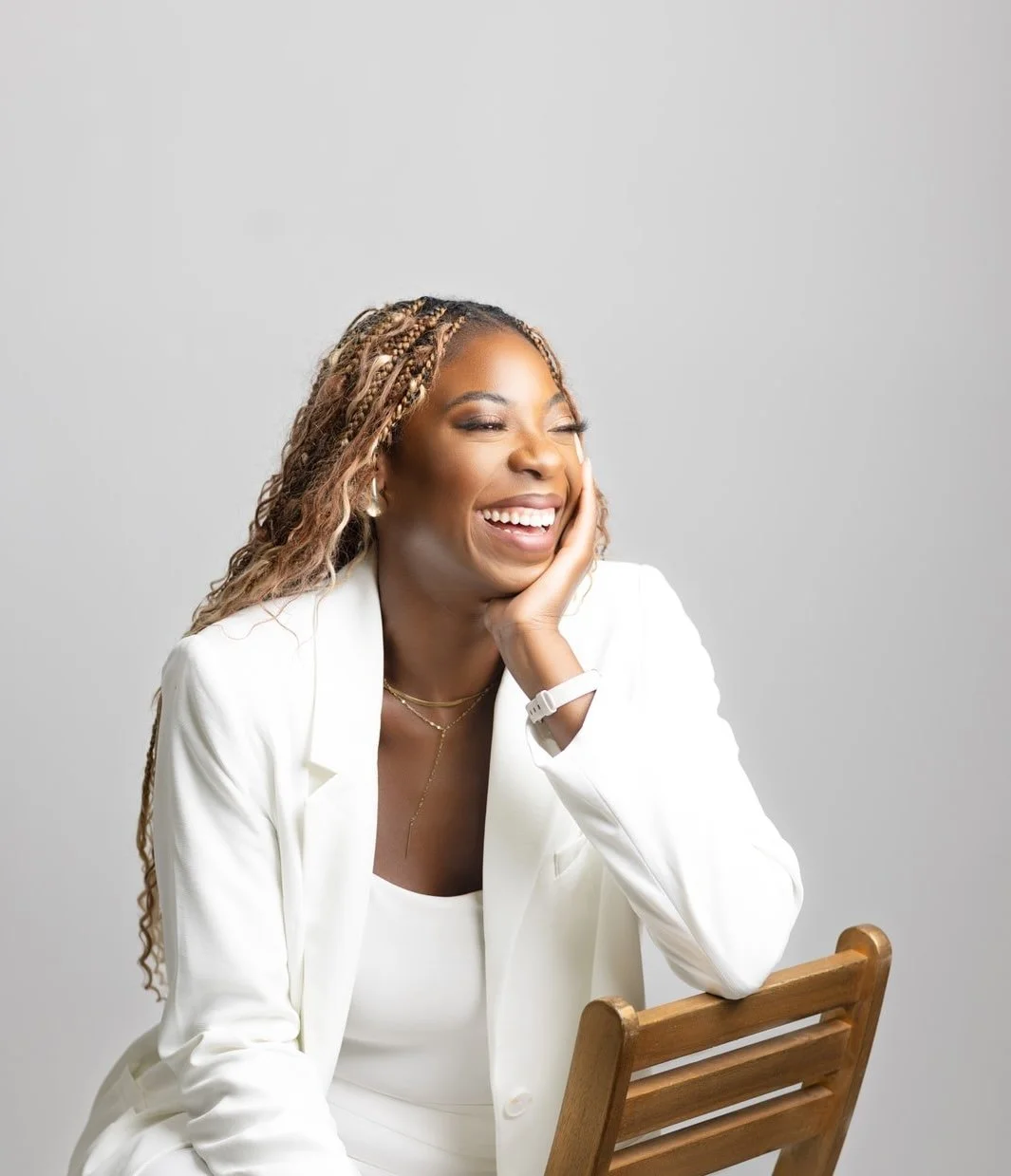


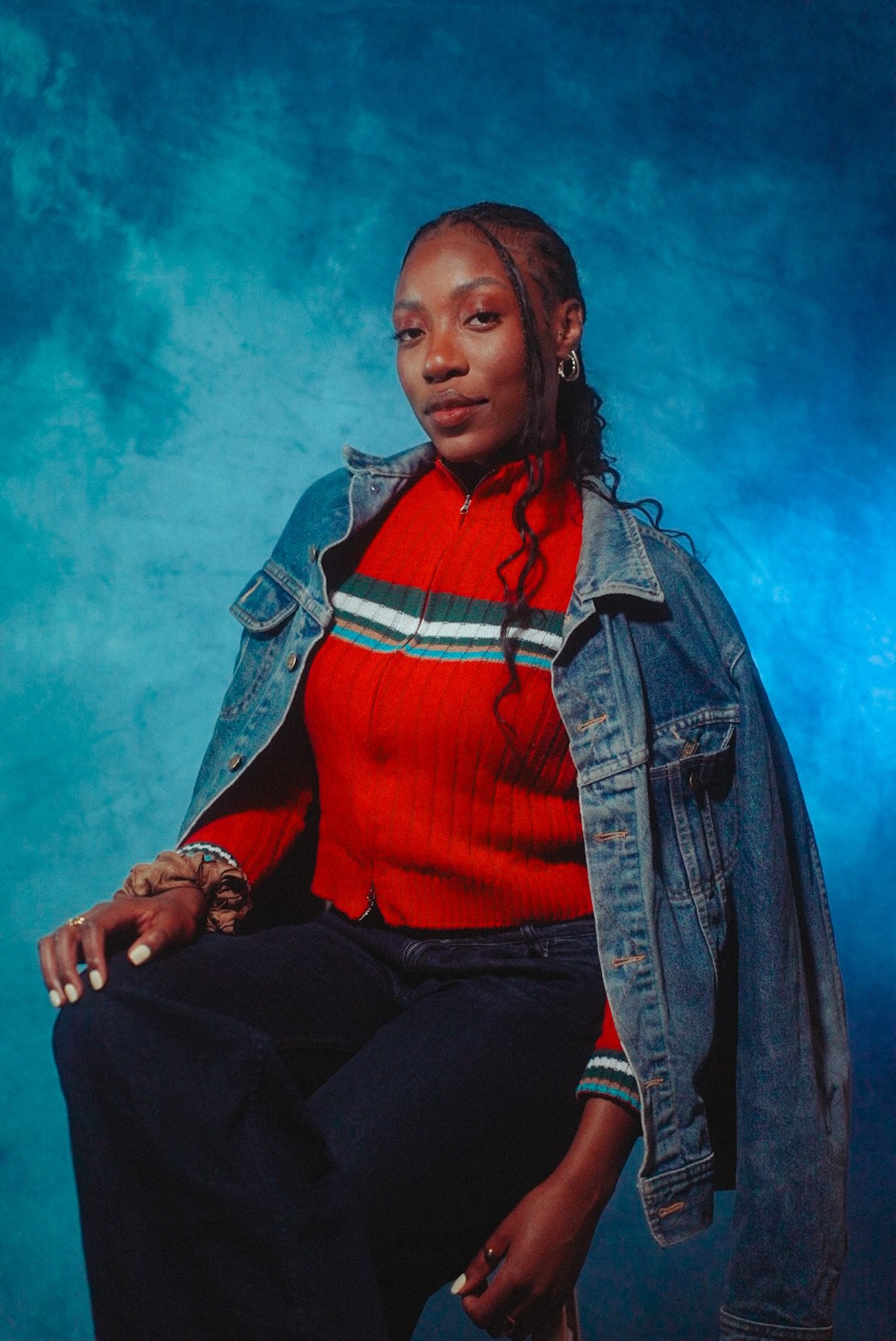
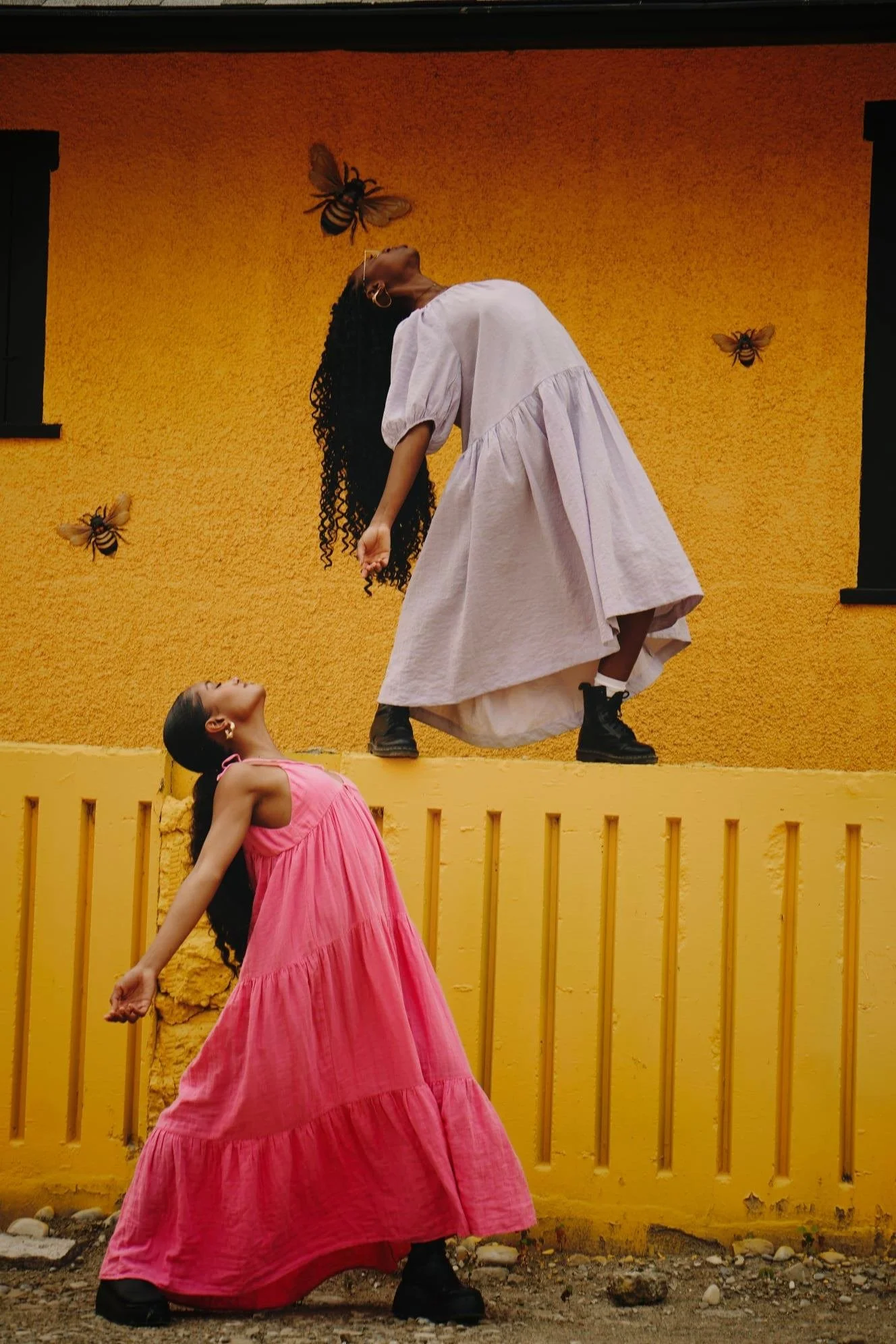
The event will also feature spoken word artist Priscille Bukasa, singer-songwriter Kindé, rapper RTC Profit, emerging keyboardist ND, and NAPPY Dance Collective founded by Cindy Ansah and Tiara Matusin.
Together, the lineup reflects something Calgary is increasingly becoming known for: creative excellence that refuses to stay confined to one discipline, one sound, or one story.
Increasingly, institutions like Studio Bell are becoming spaces where that evolution can be experienced in real time with this special Voices of Canada edition arriving as part of Black Music Month programming at the National Music Centre. - Kimberley Dooshima Jev