

Some albums move us forward and there are albums that move the listener inward. Arima Ederra’s sophomore release, A Rush to Nowhere, does both.
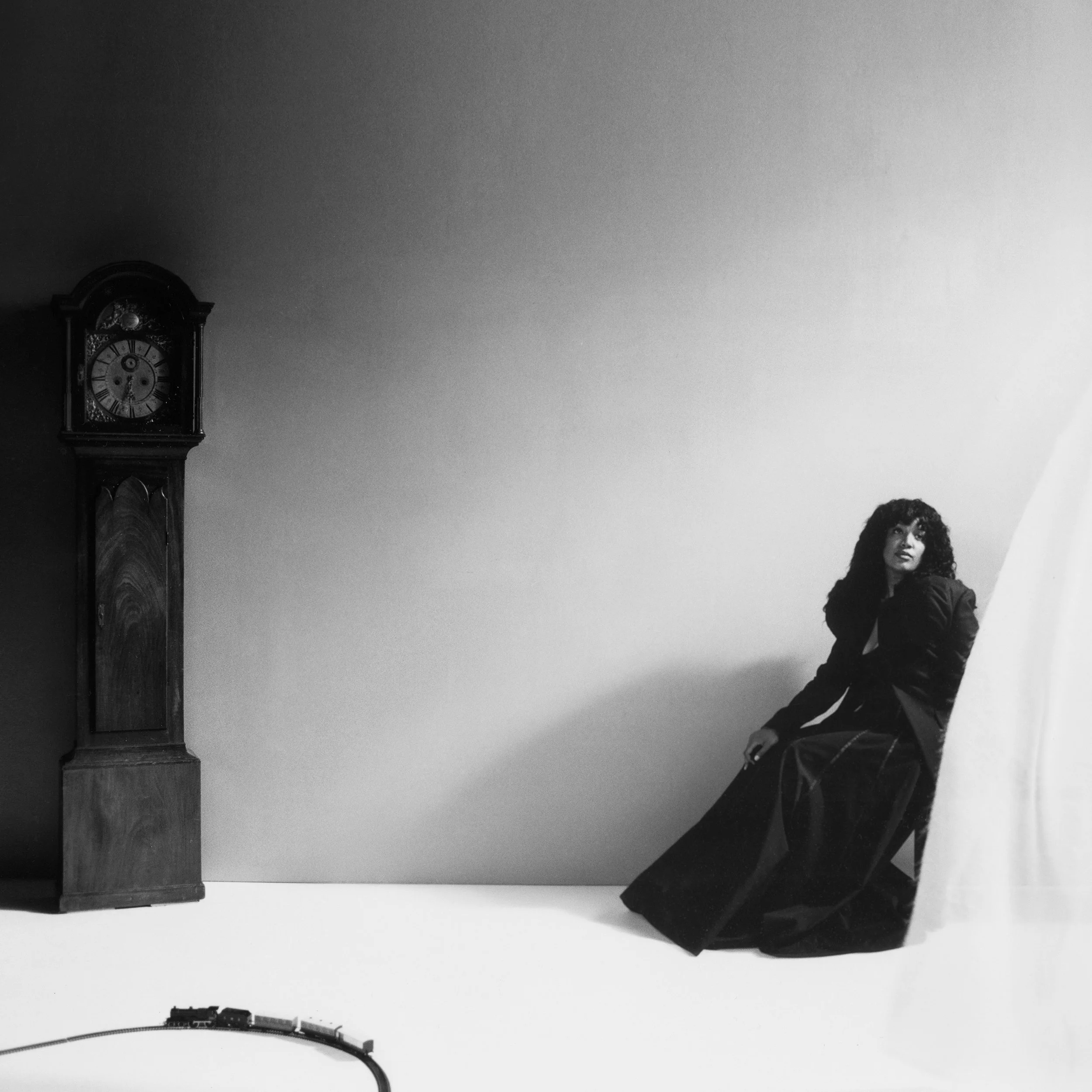
Released via Arima’s Lab/RCA Records, the LA-based artist’s latest body of work resists the pressure of linear storytelling, choosing instead to move through time as something fluid.
Something that folds, returns, and reshapes itself. Written across periods of travel and distance from home, the album reads less like a timeline and more like a meditation.
Writing Through Time
Rather than separating past, present, and future, Arima collapses them. Memories, journal entries, and quiet declarations coexist—forming a body of work that feels both deeply personal and universally familiar. The result is an album that doesn’t rush toward resolution, but instead lingers in reflection.
“Time isn't just what moves us forward, but what allows us to return, to remember, to become… In that suspended moment is where I find myself most clearly.”
This is not music that demands attention. It invites attention that is focused and intentional.
A Language of Sound
Sonically, A Rush to Nowhere moves across the Black music tradition without confinement. Elements of soul, R&B, pop, and folk are woven together into something that feels both expansive and intimately held together by Arima’s unmistakable voice.
The project was developed in collaboration with executive producer Teo Halm, alongside a collective of producers including Caleb Laven, Solomonphonic, and Rahm Silverglade each contributing to a soundscape that supports, rather than overshadows, the writing.
Earlier releases like “Heard What You Said” and “First Time” introduced listeners to the album’s subdued visual and sonic language, while “You’re My” offered a softer entry point. One that balances intimacy with openness.
Holding Multiple Selves
Four years after her debut An Orange Colored Day, Arima returns with a project that feels more settled, but no less searching. At its core, A Rush to Nowhere is about multiplicity. The understanding that we are not one fixed version of ourselves, but many, shaped across time and experience.
“Writing this work revealed the many versions of me across time—the multitudes I hold.”
It is a quiet assertion, but a powerful one.
A Different Kind of Arrival
There is something intentional about the album’s title. A Rush to Nowhere does not suggest stagnation—it suggests release. A letting go of urgency, of expectation, of the need to arrive somewhere definitive.
Instead, Arima offers something else:
Space. Stillness. A return to self.
In a world that rarely slows down, A Rush to Nowhere creates its own rhythm. One that allows listeners to pause, reflect, and move through time differently. Not as something to outrun. But as something to understand. - Kimberley “Dooshima” Jev