As Prismatic Arts Festival returns to Kjipuktuk/Halifax, Executive and Artistic Director Raeesa Lalani is thinking about what comes after visibility: sustainable careers, stronger cultural infrastructure and an arts sector where racialized artists are not treated as an exception.
By Kimberley Dooshima Jev
Before Prismatic Arts Festival became a national multidisciplinary presenter, there was an artist looking for somewhere to work.
Founder Shahin Sayadi, an Iranian immigrant who settled in Halifax, encountered an arts sector where opportunities for racialized performers were scarce. Rather than wait for the industry to make room, he began building his own. Onelight Theatre came first, followed by Prismatic Arts Festival in 2008.
Executive and Artistic Director Raeesa Lalani describes the conditions plainly. “A brown man with an accent was not getting any opportunity,” she says.
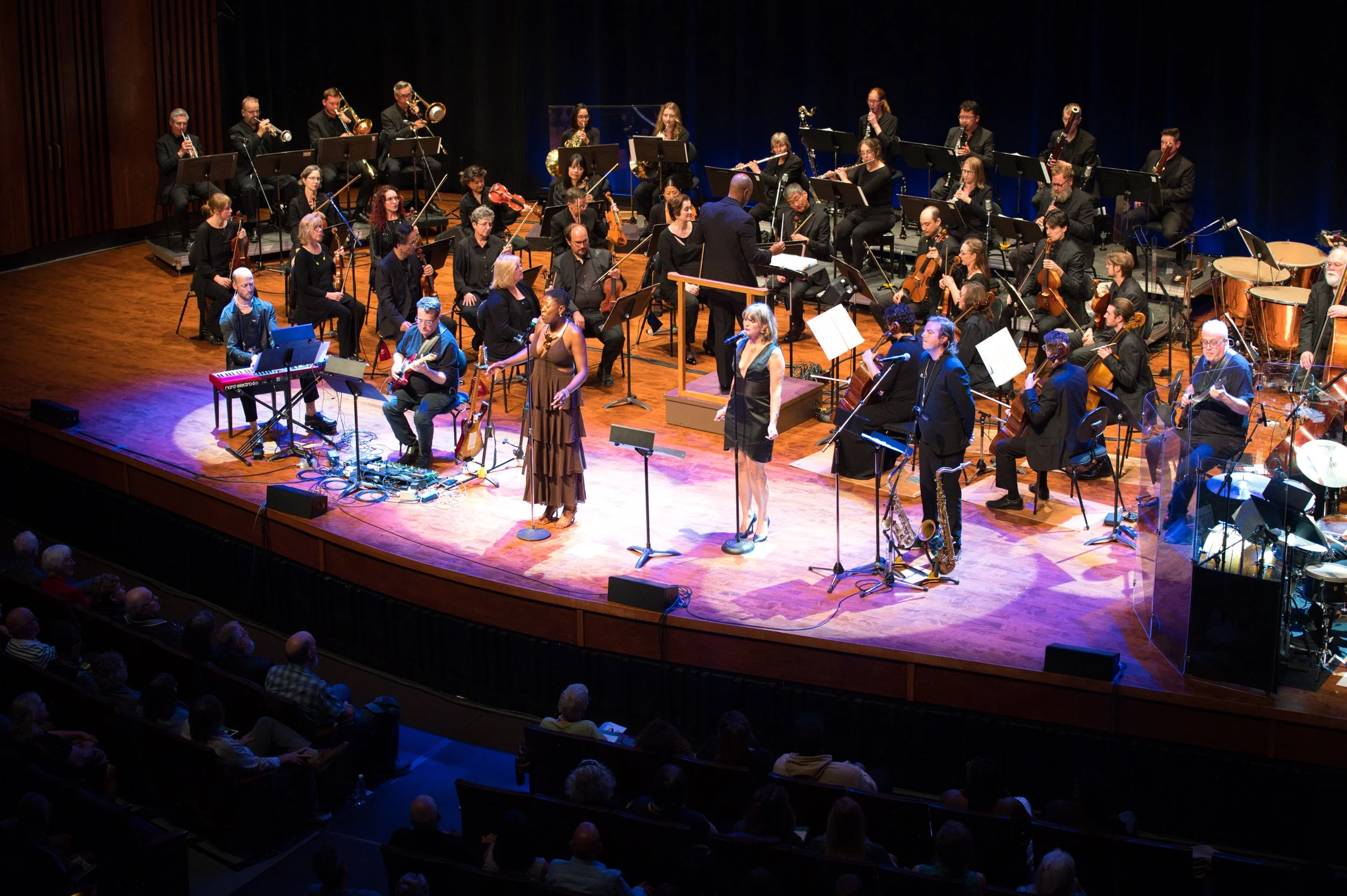


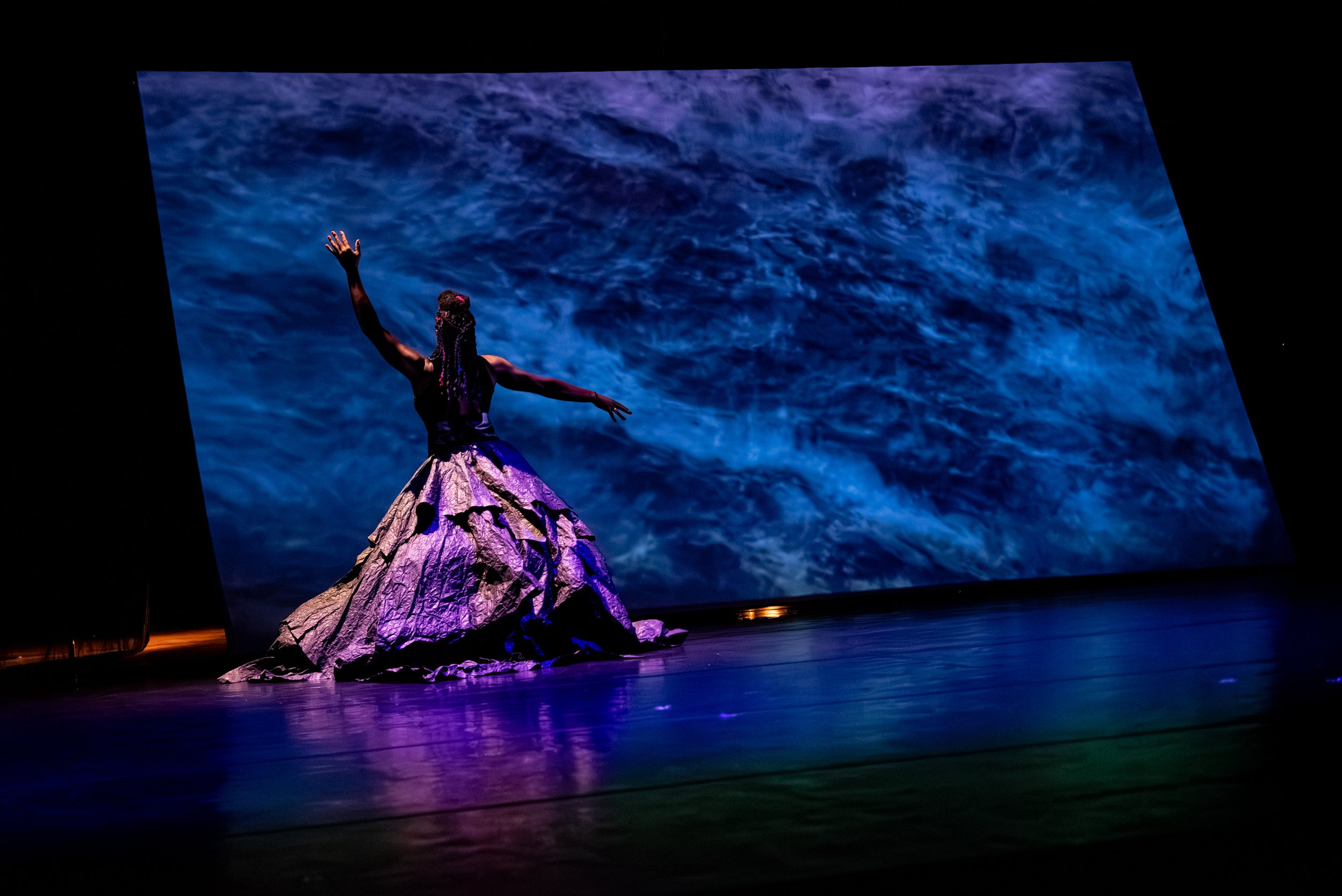
Nearly two decades later, Prismatic has grown into a professional arts festival devoted to Indigenous artists, Black artists and artists of colour working across theatre, dance, music, visual art and interdisciplinary practice. The distinction between that mandate and a conventional multicultural festival matters to Lalani.
“We solely represent and present professional Indigenous artists, Black artists and artists of colour,” she says.
Prismatic is not interested in presenting racialized artists as cultural education for somebody else. These are working artists with practices, careers, audiences and bodies of work. The question is no longer only whether they can get onstage. It is what allows them to stay there.
Sustainability After Visibility
Lalani joined Prismatic in 2016 after working in sports journalism. A part-time marketing and communications opportunity brought her to Prismatic. Over time, she moved into producing and artistic leadership. By 2020, she had stepped into the role Sayadi had been preparing her to inherit. Looking at the 2026 festival, one idea keeps surfacing for Lalani. Sustainability.
She does not begin each year by imposing a theme on the programming. The work comes first. Patterns tend to reveal themselves afterward.
“I think the theme, or the concept that has been circulating in my brain, is the concept of sustainability,” Lalani says.
Here, sustainability means more than reducing environmental impact. It means asking whether artists can actually build lives around their work. Can a new piece receive enough development time? Can an artist tour without burning out? Can relationships with presenters continue after one performance? Can somebody who has worked for decades still find the resources and infrastructure needed to keep creating?
A workshop presentation of Re-membering Kmɨtkinu, created by Mocean Dance, Sarah Prosper and shalan joudry, sits alongside an industry conversation about “slow touring,” a model that centres artist wellbeing, community relationships and care rather than treating touring as a cycle of arrival, performance and departure.
That conversation reflects something larger about how Prismatic sees itself within Canada’s arts ecosystem.
“We’ve been in this space before it was cool to program racialized folks and diversity,” Lalani says.
The organization’s history has given it years to consider what representation looks like when it is not simply a response to a trend. “We can build an organization in a decolonized model,” she says. “We can build an organization that centres artistic voices.”
Beyond Access
The Canadian arts sector has changed since Prismatic began. More organizations now speak publicly about equity and representation, and more Indigenous-led and Black-led organizations are building institutions of their own. Lalani is not convinced visibility automatically means the underlying systems have transformed.
Public funding still shapes much of Canada’s professional arts sector. Older hierarchies remain embedded in the institutions deciding who receives resources, whose work gets presented and who holds decision-making power.
Some days, she says, the barriers feel stubbornly familiar. Other days, a meaningful partnership or institutional shift offers evidence that years of advocacy are having an effect.
“We’re kind of in that murky middle,” she says. Access remains important, though the conversation increasingly involves power. Who chooses what appears onstage? Who controls the resources? Who receives enough support to build a career instead of being programmed once?
Prismatic’s motto is Art for Everyone, and Lalani wants that idea to extend to audiences too. Halifax is changing, with immigrants, refugees and newcomers becoming increasingly visible across the city.
“You can find yourself in performance and on stages there,” she says. The festival includes free and ticketed programming. People who want to attend and cannot afford a ticket are encouraged to contact Prismatic. “We don’t ask questions,” Lalani says.
Artists to Watch at Prismatic 2026
The philosophy eventually has to meet the work. African Nova Scotian theatre pioneer Walter Borden appears in the world premiere of Metamorphoses, a solo production connecting Ovid’s stories of transformation with Borden’s own life and decades-long artistic career.
Tara Taylor, an East Preston producer, writer, director and animator, brings Amara and Her Glow, created with Deidre Dorrington. The animated work follows a young Black girl through questions of identity, confidence and self-discovery.
Dance artist, musician and writer Bageshree Vaze presents Paratopias, bringing Indian classical dance and music into conversation with Newfoundland cultural history and Vaze’s upbringing in St. John’s.
Live artist Tania El Khoury examines displacement, migration, borders and memory through As Far As My Fingertips Take Me and Camp Pause.
Singer Dee Hernandez closes the core festival programming with a free sensory-accessible concert rooted in Afro-Cuban and Latin influences.
Together, the works show why Prismatic’s argument cannot be reduced to representation alone. Visibility may get an artist onto the stage. A healthy cultural ecosystem asks whether they have what they need once they arrive.
“Art is just the fabric and makeup of these communities,” Lalani says, “rather than it being a sector or something on its own.
”Prismatic began by creating space where space was missing. Nearly two decades later, the work is increasingly about making that space durable enough for artists to create, earn, mentor, experiment and remain.
Prismatic Arts Festival runs Sep 26, 2026 to Oct 4, 2026 in Kjipuktuk/Halifax, with additional exhibitions and related programming extending beyond the core festival dates.