How Calgary ReggaeFest built resilience one season at a time
By Kimberley Dooshima Jev
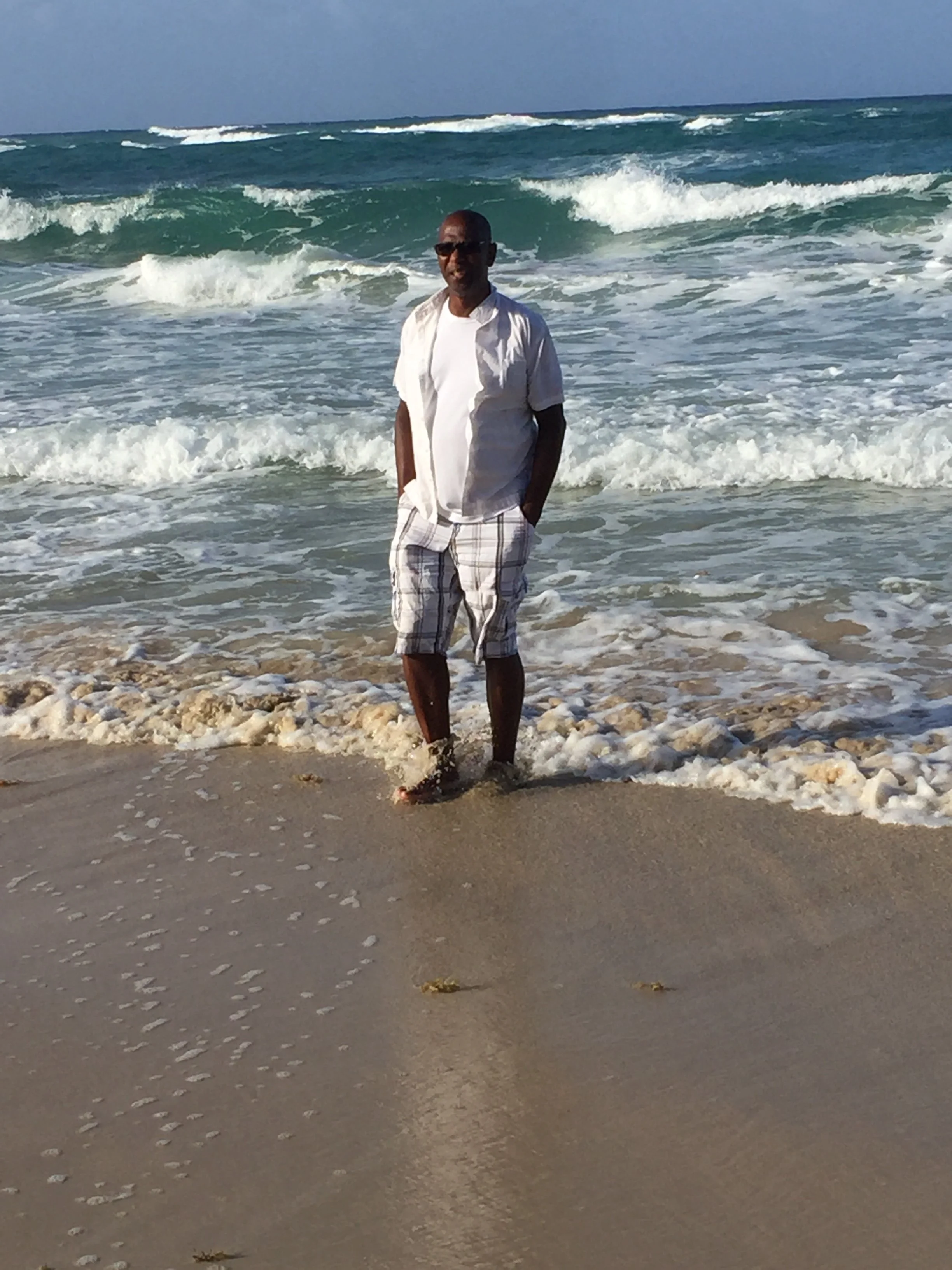
Leo Cripps - Calgary ReggaeFest
For many festival organizers, success is measured in attendance. Ten thousand people. Sold-out grounds. Bigger headliners. Big name sponsors. Bigger stages.
For Calgary ReggaeFest founder and producer Leo Cripps, success is measured differently.
"There has to be a festival."
That simple philosophy has guided Calgary ReggaeFest for more than two decades, through changing venues, financial setbacks, a global pandemic, and even an event washed away by rain.
What remains isn't a pursuit of becoming the biggest festival in the city. It's a commitment to ensuring reggae music and Caribbean culture continue to have a home in Calgary.
"We started in 2004, and after COVID there was a point where we honestly weren't sure if we'd bring it back," Cripps says. "But letting it die just wasn't something we wanted to do."
Rather than rushing back after the pandemic, the organization paused. COVID became an unexpected opportunity to rethink everything. "We asked ourselves some important questions," he says. "Does success mean attracting 10,000 people, or does it mean creating an incredible experience for 2,000 people who truly want to be there?"
The answer reshaped the festival. Their mandate never changed. The approach did.
Building something sustainable
During our interview, Cripps speaks candidly about something many festivalgoers never say out loud. Festivals are expensive. Very expensive.
Artists, staging, infrastructure, security, volunteers, hospitality and production costs all add up long before the first ticket is scanned. "People assume festivals make money," he says. "But they don't always see the costs."
Over the years, Calgary ReggaeFest adopted a philosophy of disciplined growth. If an artist doesn't fit the budget, they don't stretch beyond their means. If an event experiences setbacks, they plan for them.
When Sunny Soul Jam was cancelled due to severe weather in 2024, the financial loss was significant.
Still, everyone was paid.
"We had reserve funds that allowed us to absorb those losses," Cripps explains. "More importantly, everyone still got paid."
For him, that's non-negotiable."This may be our labour of love, but for many of the artists, the vendors, the businesses that help us operate, it is their livelihood."
That reputation has become one of Calgary ReggaeFest's greatest assets.
Artists return.
Vendors return.
Relationships deepen.
"If you ask vendors, performers, anyone we have worked with about Calgary ReggaeFest," he says, "they'll tell you we honour our commitments."
Today, Cripps proudly says the organization carries no debt.
A new chapter on an island
This summer also marks a new home for Calgary ReggaeFest.
After years away from Prince's Island, the festival moved to The Rise on St. Patrick's Island, a venue Cripps believes better reflects the spirit of reggae.
"I didn't want to put a festival on concrete again," he laughs. "People want to sit on the grass, enjoy the sunshine and spend the day together." The Rise offered exactly that.
Natural green space. A welcoming atmosphere. And most appropriately…
"Reggae on an island…it just feels right!"
More than music
While the lineup features reggae legends including Leroy Sibbles, Louie Culture, Nana McLean, and Jemere Morgan, Cripps sees something even more meaningful happening every year.
Families.
"When we first started, many of the children attending were three, four and five years old," he says. "Today those same kids are adults, and some are coming back with families of their own."
His own daughter is flying back from Vancouver for the festival.
Watching grandparents dance alongside the future generation has become one of his favourite moments each year.
"It's so heartwarming."
For first-time attendees, Cripps hopes they leave with something more than memories. He hopes they leave understanding reggae itself.
"It's not just reggae," he explains. "You'll hear ska, dancehall and contemporary reggae. You'll experience legends alongside emerging artists."
"More than anything, I hope people leave with a full heart."
Quiet resilience
In an era where many festivals face rising costs and increasing uncertainty, Calgary ReggaeFest's story isn't one of explosive growth.
It's one of stewardship. A story of volunteers refusing to let a beloved festival disappear. A dedication to careful and honest budgeting instead of risky expansion. A dedication to the professionalism of paying artists before protecting profit. An unwavering choice of choosing sustainability over spectacle.
As Calgary ReggaeFest rounds out another summer, its greatest achievement may not be the size of its audience. It may simply be that, after more than twenty years, it continues to keep its promise. There has to be a festival.